How to Pitch Brands as a Creator (With Email Templates)
Learn how to find the right brands, write a pitch email that gets replies, follow up professionally, and turn first deals into long-term partnerships.
Waiting for brands to find you can take a long time. Many creators land their first sponsorships, and many of their best ones, by pitching. A thoughtful pitch shows initiative, demonstrates audience fit, and makes it easy for a busy marketer to say yes.
This guide covers how to find brands, what to write, and how to follow up, with templates you can adapt.
Key takeaways
- Pitch brands your audience already uses or would genuinely benefit from.
- Personalize every pitch and lead with what’s in it for the brand.
- Follow up once or twice, politely, and track every pitch.
Step 1: Build a target list
The best brands to pitch are ones that fit naturally with your content. Look for:
- Products you already use and mention.
- Brands your audience asks about or comments on.
- Companies sponsoring creators similar to you. If they sponsor one creator in your niche, they likely have a budget for more.
- Newer companies in your niche that are actively growing and marketing.
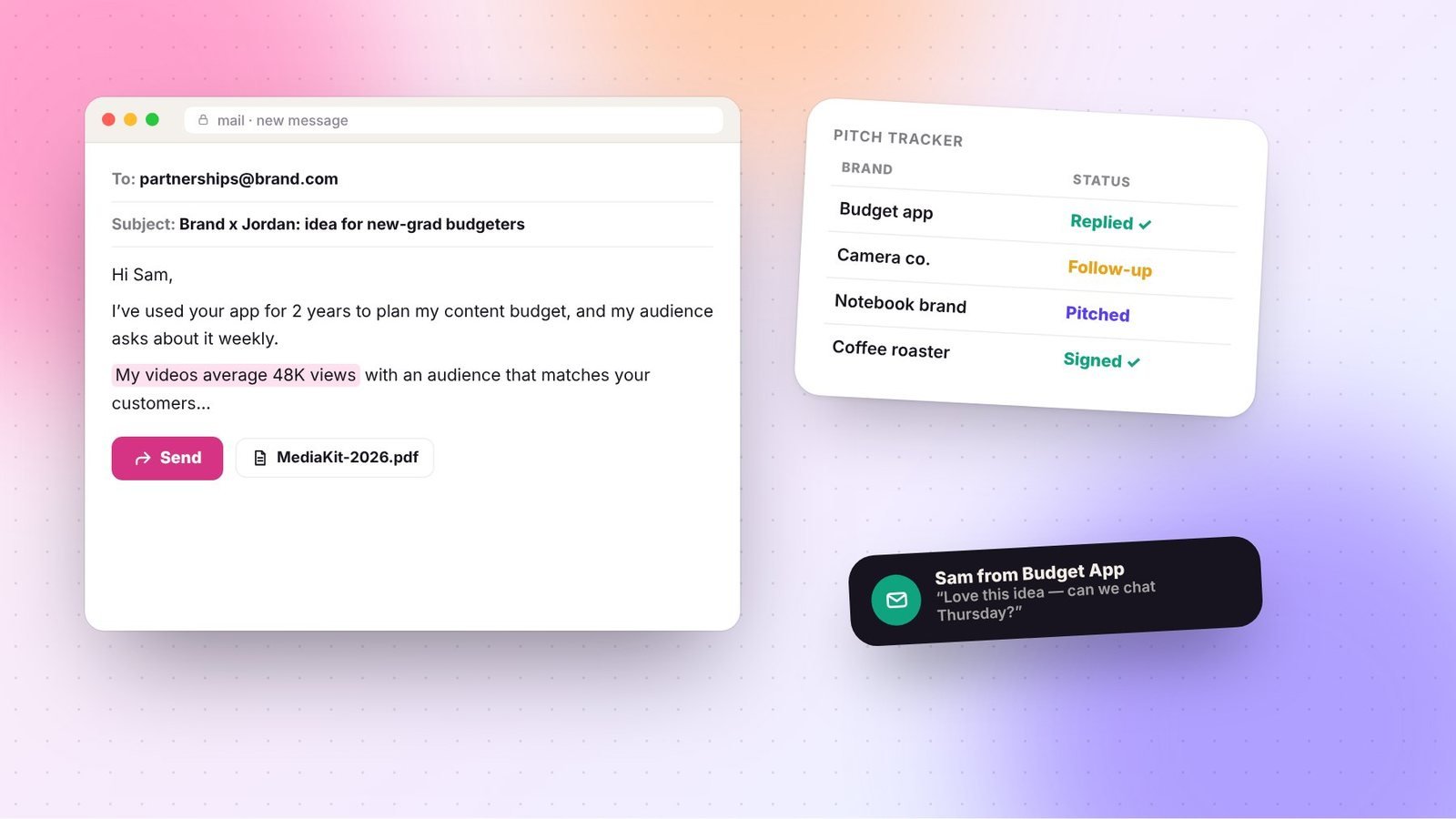
Aim for a list of 20–30 brands. Track them in a spreadsheet with columns for brand, contact, date pitched, follow-up dates, and status.
Step 2: Find the right contact
Look for influencer marketing managers, partnerships managers, or brand marketing roles. Sources include the brand’s website (many have a creator or partnerships page), LinkedIn, and press or partnership email addresses. Some brands run creator programs through platforms or agencies; in that case, apply there.
Step 3: Write the pitch
A good pitch is short, specific, and focused on the brand’s goals. Include:
- A personalized opening showing you know the brand.
- Who you are in one sentence.
- Audience fit: why your audience matches their customers.
- A specific idea for how you’d feature them.
- Proof: one or two numbers or past results.
- A clear call to action and your media kit attached or linked.
Template 1: First pitch
Subject: [Brand] x [Your Name]: idea for [specific audience]
Hi [Name],
I’ve been using [product] for [time] to [specific use], and I mention it often when my audience asks about [topic].
I’m [Your Name], and I create [type of content] for [specific audience] on [platform]. My audience is mostly [key demographic], which lines up closely with [Brand]’s customers.
I’d love to create a [format] showing [specific idea, e.g., “how I use it to plan a month of content in one afternoon”]. My recent videos average [X] views with [Y] engagement, and a past partnership with [similar brand] drove [result].
My media kit is attached. Would you be open to a quick chat about upcoming campaigns?
Best,
[Your Name]
[Links]
Template 2: Follow-up (5–7 business days later)
Subject: Re: [Brand] x [Your Name]: idea for [specific audience]
Hi [Name], just bringing this back to the top of your inbox. I’d still love to explore a [format] featuring [product]. If someone else handles creator partnerships, I’d appreciate a pointer to the right person. Thanks!
Template 3: Pitching a long-term partnership
Hi [Name], thanks again for the [campaign] partnership. It drove [result], and my audience is still asking about [product]. I’d love to propose a three-month package with [deliverables] so we can build on that momentum. I’ve outlined options below.
Step 4: Follow up, then move on
Marketers are busy, and many deals start after a follow-up. Send one follow-up after about a week and, if appropriate, one more a couple of weeks later. If you still don’t hear back, move on and try again next quarter with a new idea or updated numbers.
Step 5: When they reply
- Ask about campaign goals, deliverables, timeline, budget, and usage rights.
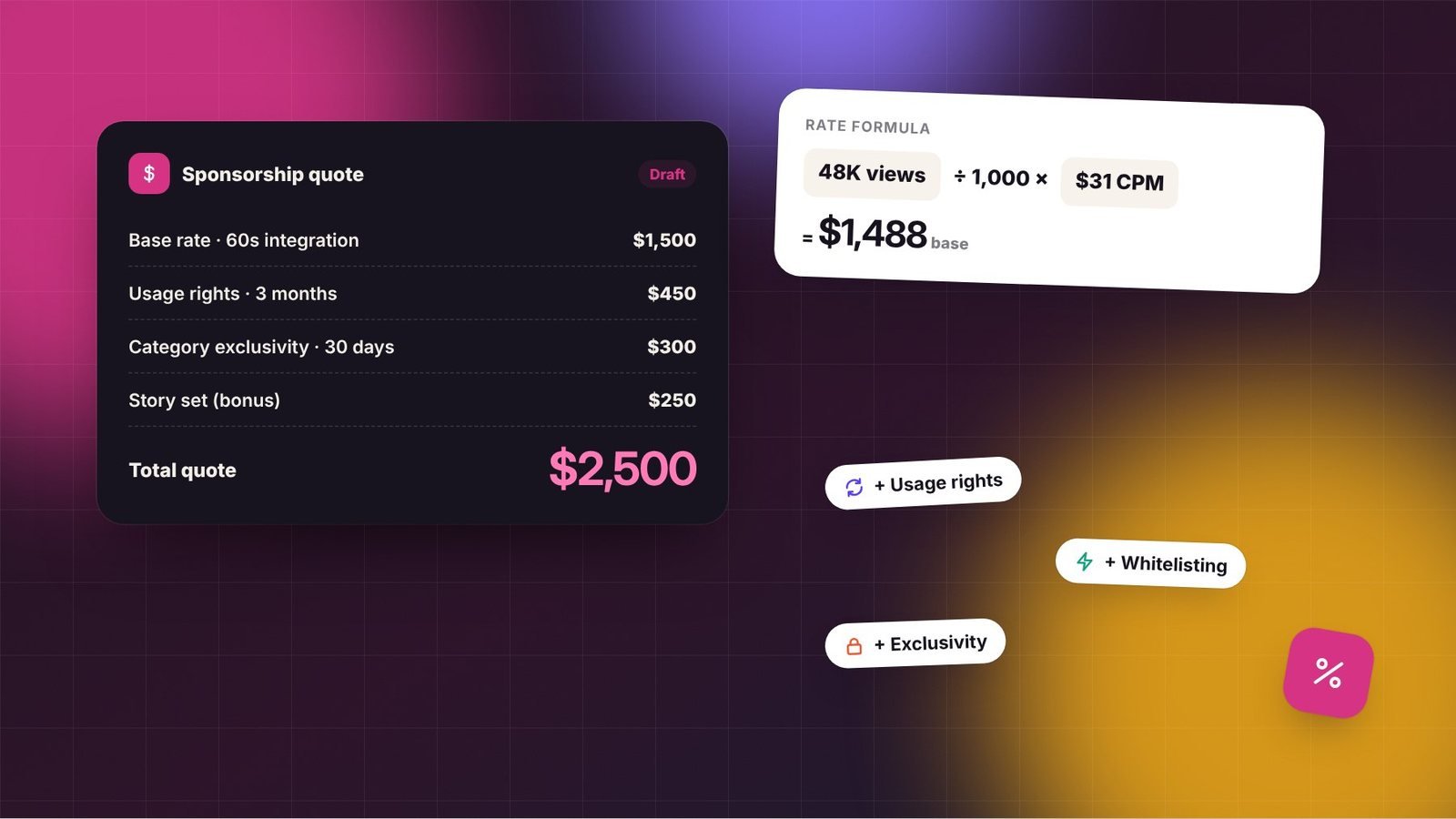
- Send a clear quote. See our sponsored content pricing guide.
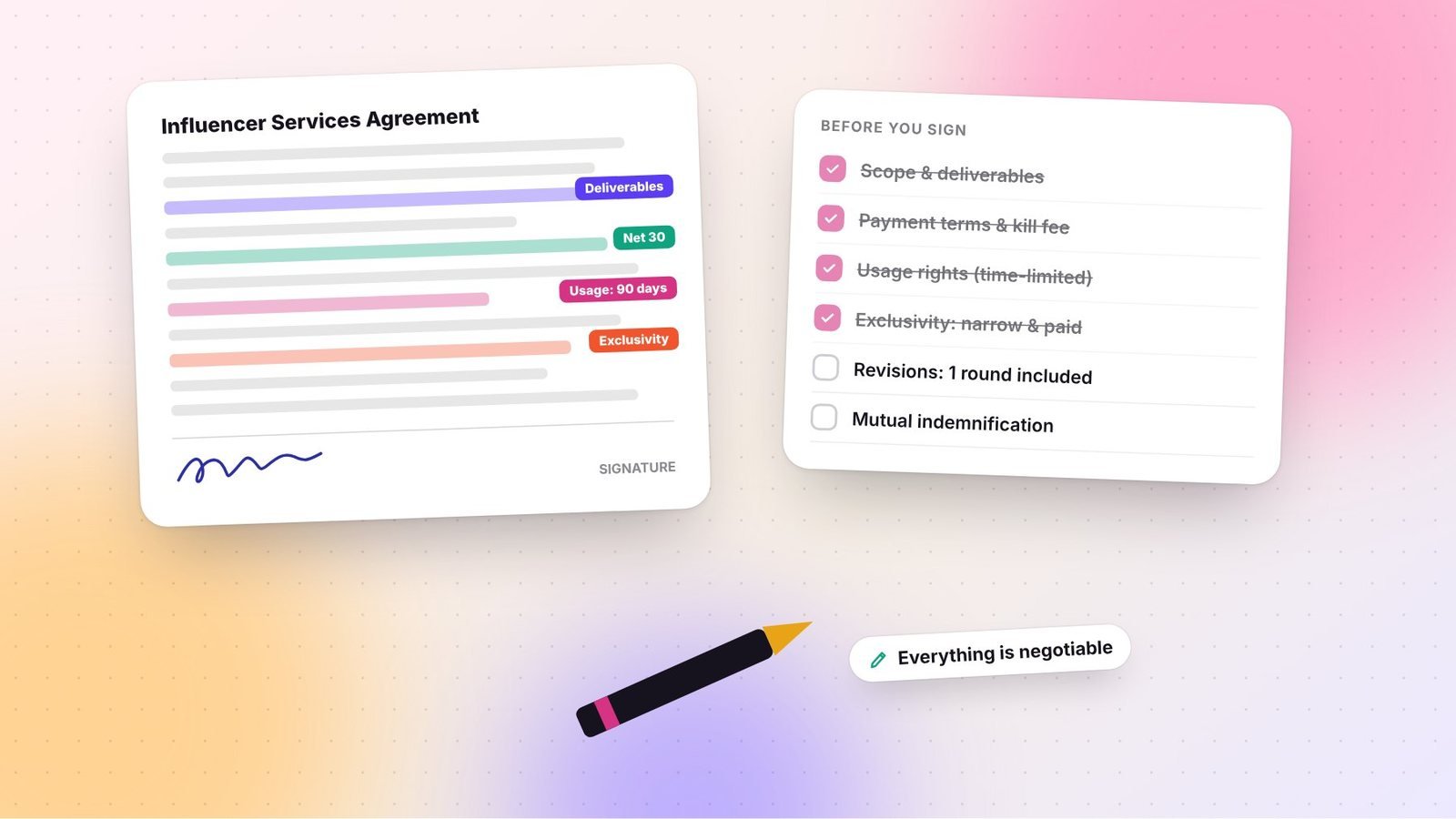
- Get a written agreement before you start. Read our list of contract clauses to check.
Pitching mistakes to avoid
- Mass emails with “Dear Sir/Madam” and no personalization.
- Talking only about yourself instead of the brand’s goals.
- Pitching irrelevant brands just because they pay well.
- Attaching huge files. Use a compact PDF or link.
- Following up too often. Persistence is good; pressure isn’t.
Turn one deal into many
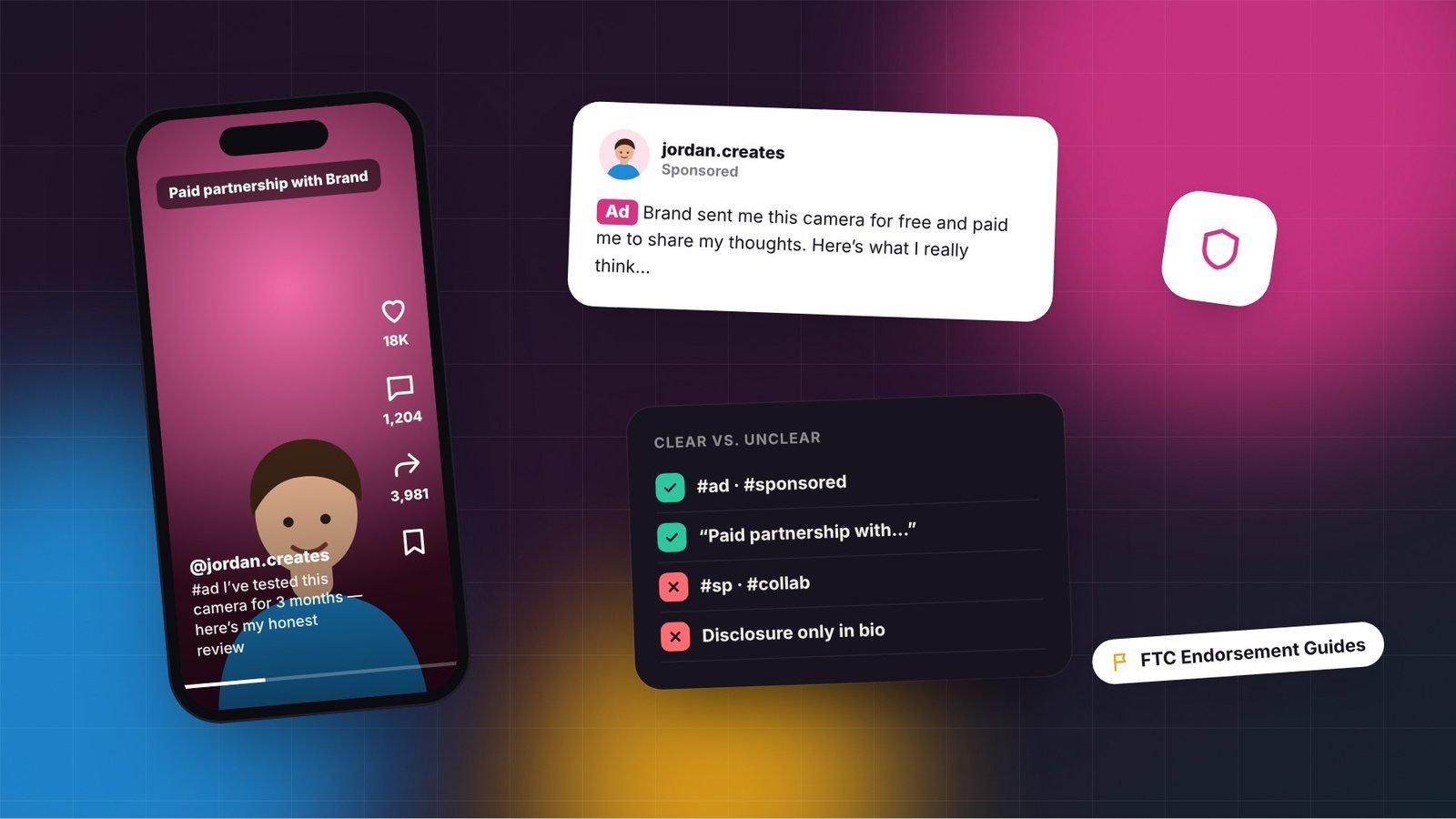
Deliver on time, communicate proactively, and send a short results report after the campaign with views, clicks, and audience comments. Brands love creators who make their jobs easier, and repeat partnerships are often more valuable than one-off deals. Remember to disclose every paid partnership clearly; our FTC disclosure guide explains how.
Frequently asked questions
When should I start pitching brands?
You can start once you have a consistent content history and an audience that matches a brand’s customers. Even small creators can land deals with brands that value a focused niche.
How many brands should I pitch at once?
Pitching 10 to 20 well-researched brands at a time is manageable for most creators. Personalized pitches perform better than mass emails, so quality matters more than quantity.
What if a brand never replies?
Follow up once or twice, then move on. Brand budgets and priorities change, so it’s reasonable to pitch again in a few months with a new idea or updated results.