How to Protect Your Content: Copyright, Trademarks, and Fair Use Basics
Understand how copyright and trademarks protect creators in the US, when to register, how to handle stolen content with DMCA takedowns, and the basics of fair use.
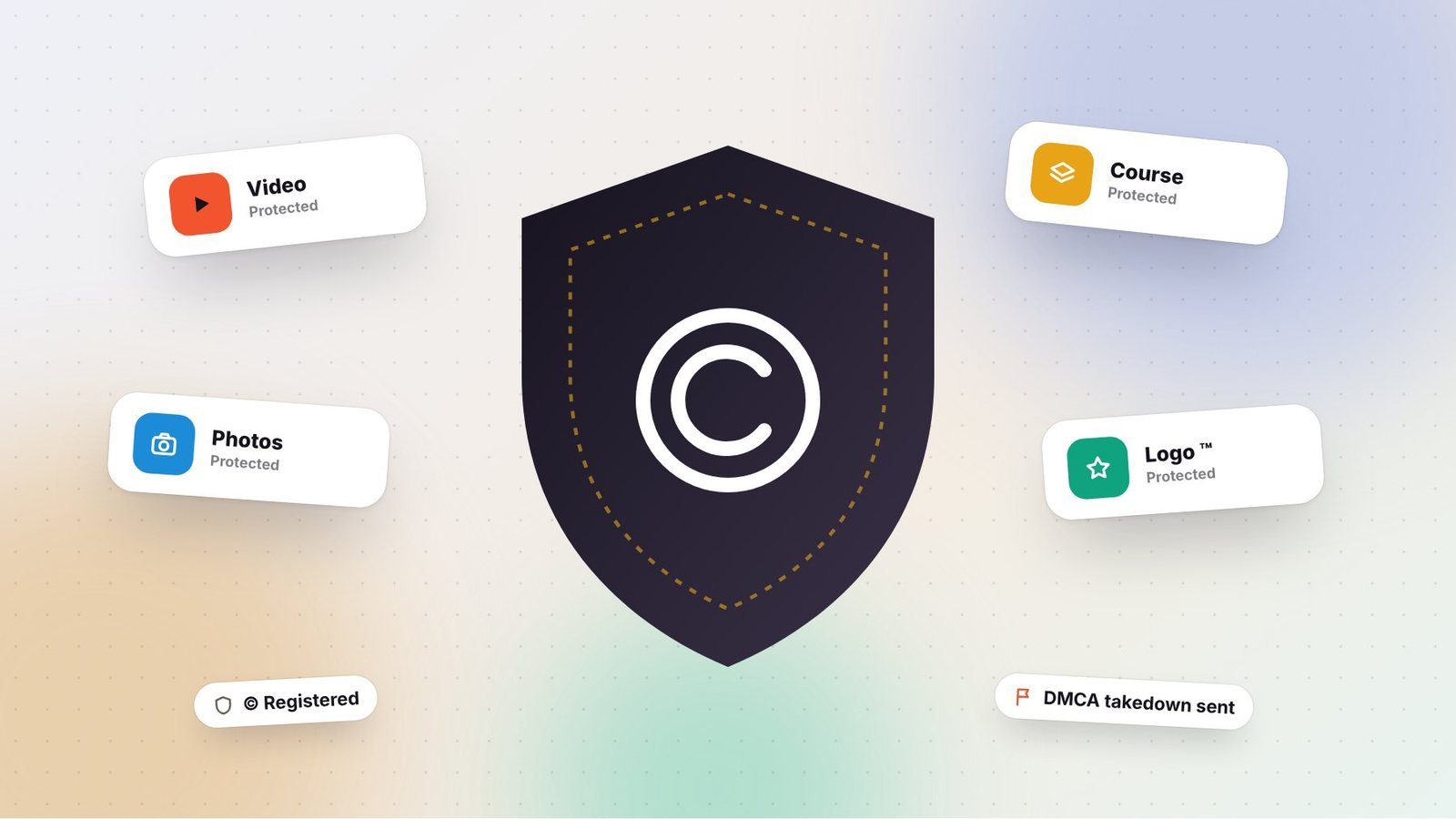
Your content is your business. When someone reuploads your video, copies your course, or uses your brand name, it can cost you money and confuse your audience. Understanding the basics of copyright and trademarks helps you protect your work and avoid accidentally infringing on others.
This guide covers US law at a high level and isn’t legal advice. Consult an intellectual property attorney for specific situations.
Key takeaways
- Copyright protects original creative works automatically once they’re fixed in a tangible form.
- Registering important works with the U.S. Copyright Office strengthens your ability to enforce your rights.
- Trademarks protect brand names and logos; fair use is a limited, case-by-case defense, not a blanket permission.
Copyright basics
Copyright protects original works of authorship, such as videos, photos, articles, music, artwork, course materials, and software, as soon as they’re created and fixed in a tangible form. You don’t need to file anything for copyright to exist.
Copyright gives you exclusive rights to reproduce, distribute, display, perform, and create derivative works from your content. It doesn’t protect ideas, facts, titles, short phrases, or general concepts, only your specific expression of them.
Why register your copyright?
Registration with the U.S. Copyright Office is optional, but it provides important benefits:
- For US works, you generally must register before filing a copyright infringement lawsuit.
- Timely registration can make statutory damages and attorney’s fees available, which can be crucial when actual damages are hard to prove.
- It creates a public record of your ownership.
Creators often prioritize registering high-value work such as courses, books, signature photos, or flagship videos. The Copyright Office offers online registration, and some group registration options exist for certain types of works, such as photographs.
Handling stolen content
If someone reuploads or copies your content without permission:
- Document it: take screenshots, save URLs, and note dates.
- Use platform tools: YouTube, Meta, TikTok, and other platforms have copyright reporting forms. YouTube also offers Content ID and the Copyright Match Tool for eligible creators.
- Send a DMCA takedown notice: under the Digital Millennium Copyright Act, you can ask a platform or host to remove infringing material. Notices must include specific information and a good-faith statement.
- Consider direct contact for small cases; sometimes a polite request works.
- Consult an attorney for serious or commercial infringement.
Only file takedowns for content you own or are authorized to enforce. Misrepresenting claims can create legal liability.
Trademarks: protecting your brand
A trademark protects names, logos, and slogans used to identify the source of goods or services. As your creator brand grows, your channel name, product names, and logo may become valuable trademarks.
- You gain some common-law rights by using a mark in commerce, but they’re limited geographically.
- Federal registration with the USPTO provides nationwide rights, a public record, and use of the ® symbol.
- Before choosing a brand or product name, search the USPTO database and the web to avoid conflicts.
Trademark registration involves specific classes of goods and services and can be complex. Many creators work with a trademark attorney.
Fair use: what it is and isn’t
Fair use allows limited use of copyrighted material without permission for purposes like commentary, criticism, news reporting, teaching, and parody. Courts weigh four factors:
- The purpose and character of the use, including whether it’s transformative or commercial.
- The nature of the copyrighted work.
- The amount and substantiality of the portion used.
- The effect of the use on the market for the original.
Fair use is decided case by case. Myths like “under 10 seconds is always fine” or “giving credit makes it legal” are not rules. When reacting to or commenting on others’ work, use only what you need, add significant commentary, and avoid substituting for the original.
Avoid infringing on others
- Music: use licensed libraries, royalty-free services, or platform-provided audio within its terms.
- Images and fonts: check licenses for commercial use.
- Clips: get permission or ensure your use is clearly transformative commentary.
- AI-generated content: be careful with outputs resembling copyrighted characters, brands, or real people.
Protect your digital products
- Add license terms to templates and courses.
- Use platforms that limit unauthorized sharing where possible.
- Watermark previews of visual products.
- Search periodically for unauthorized copies.
You can’t prevent every copy, but knowing your rights lets you act decisively when it matters. For more on protecting your business, see our guide to brand deal contract clauses, where content ownership often comes up.
Frequently asked questions
Is my content copyrighted if I never registered it?
Yes. Copyright exists automatically once original work is fixed in a tangible form. Registration adds important enforcement benefits, including the ability to file a lawsuit for US works.
Can I use a song if I credit the artist?
Giving credit doesn’t replace permission. Use licensed music libraries, royalty-free tracks, or audio provided by a platform within its terms.
Should I trademark my channel name?
If your channel name is central to your business and you sell products or services under it, a federal trademark can be valuable. Search for conflicts first and consider working with a trademark attorney.