How to Create and Sell Your First Digital Product in 30 Days
A four-week plan to validate, build, price, and launch your first digital product, whether it's a template, guide, mini-course, or toolkit.
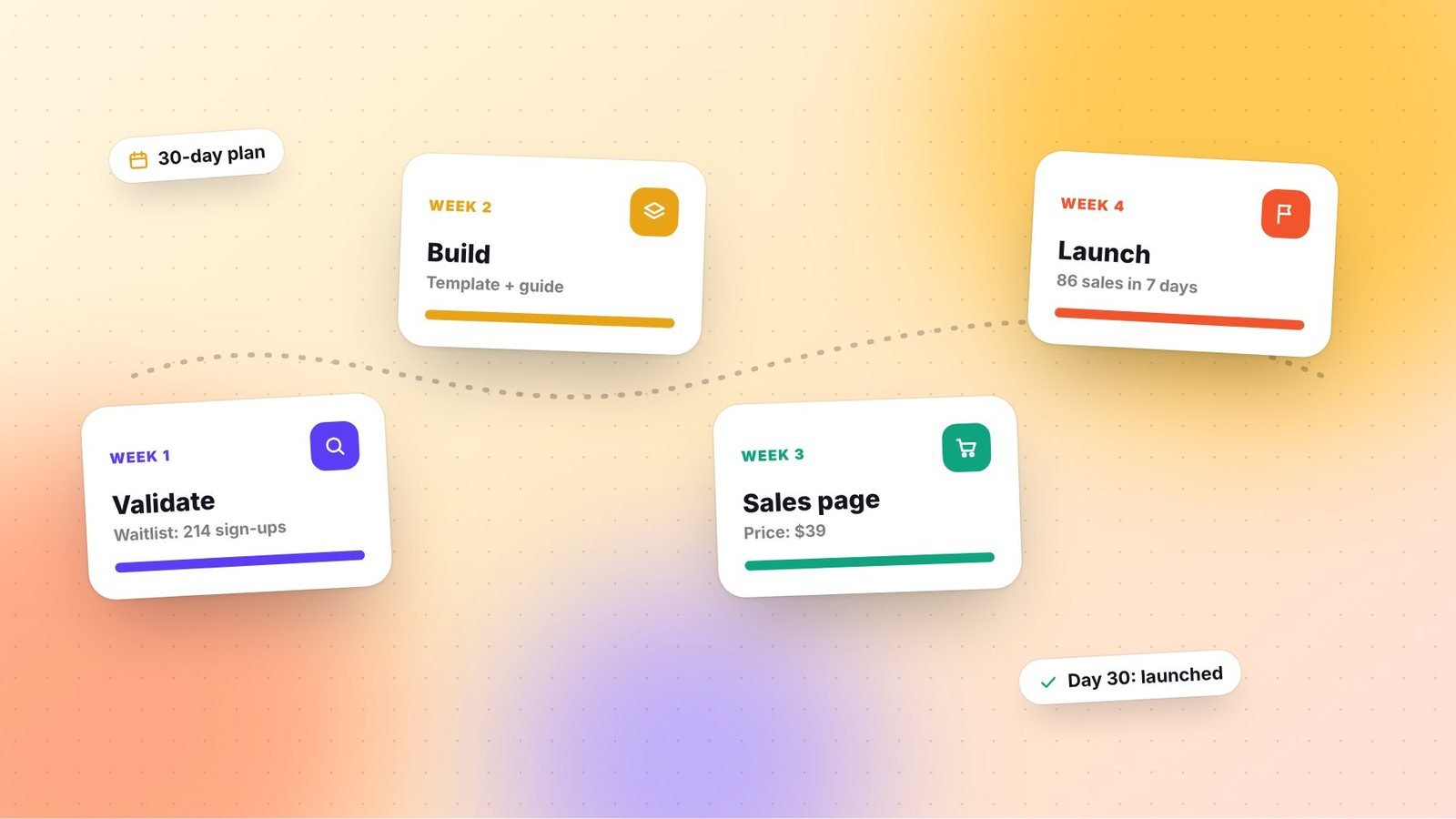
Your first digital product doesn’t need to be a 12-module course. In fact, it shouldn’t be. The best first products are small, specific, and solve one problem your audience already has. You can plan, build, and launch one in 30 days while still publishing your regular content.
Here’s a week-by-week plan.
Key takeaways
- Start with a small product that delivers one clear outcome.
- Validate demand with pre-orders or a waitlist before building everything.
- A simple sales page and a short email sequence are enough for a first launch.
Choose the right type of product
| Product type | Good for | Typical effort |
|---|---|---|
| Template or toolkit | Saving people time on a repeated task | Low |
| Guide or ebook | Explaining a process in depth | Low–Medium |
| Preset or asset pack | Visual creators (photo, video, design) | Low |
| Mini-course | Teaching a skill step by step | Medium |
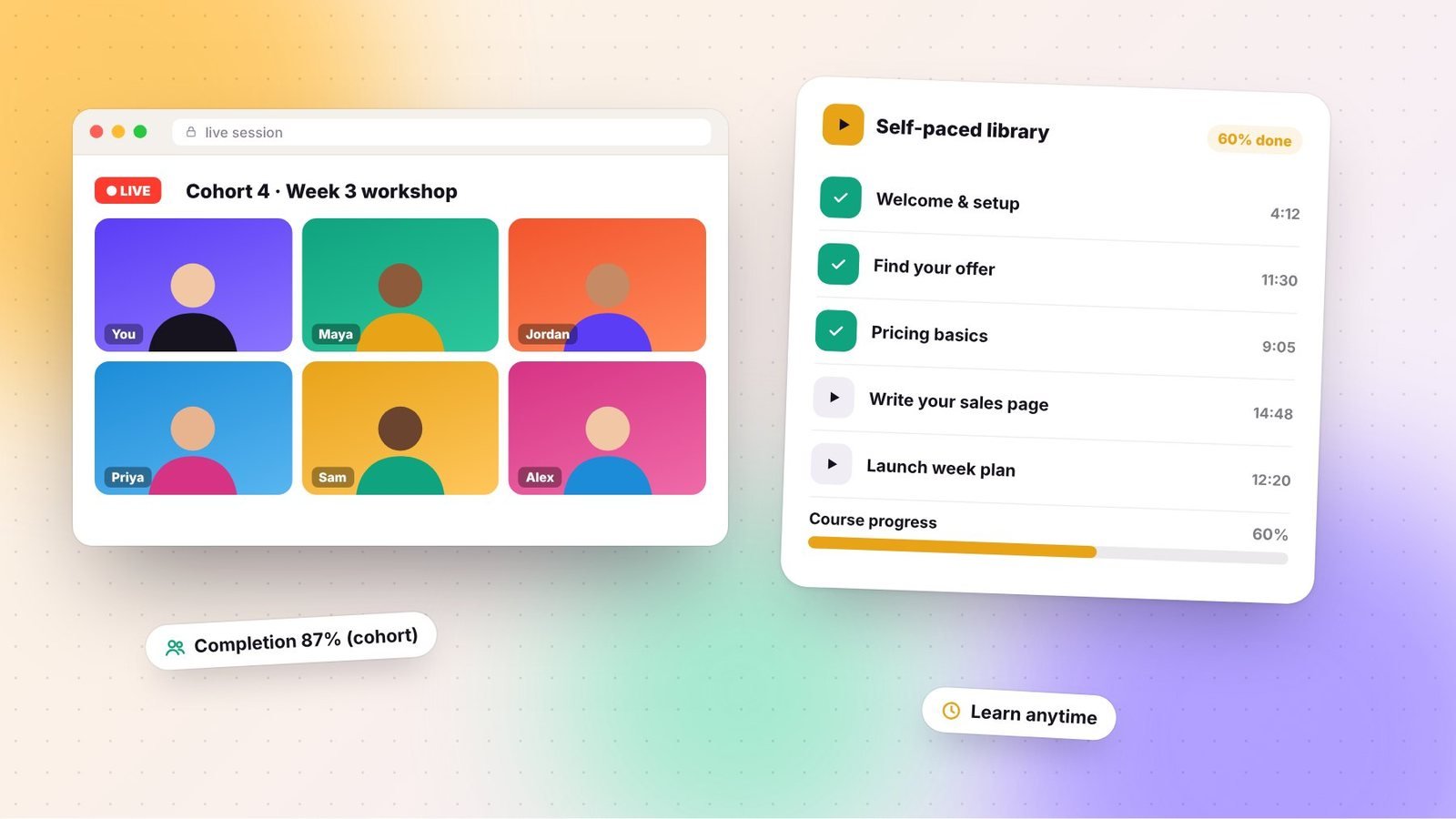
| Workshop (live, then recorded) | Interactive teaching and fast validation | Medium |
Week 1: Find and validate the idea
Find the problem. Review comments, DMs, emails, and your most popular content. Look for a specific question asked repeatedly. “How do you plan your content?” could become a content planning template. “How do you price freelance work?” could become a pricing calculator and guide.
Define the outcome. Write one sentence: “This product helps [person] [achieve result] in [time or with less effort].”
Validate before you build. Choose one or more:
- Post about the problem and gauge engagement.
- Survey your email list or followers about the specific struggle.
- Open a waitlist with a short description and see how many people sign up.
- Offer pre-orders at an early-bird price. Paying customers are the strongest validation.
Week 2: Build the product
Outline first. List the steps someone needs to go from problem to result, then remove anything that isn’t essential. Your first product should feel focused, not exhaustive.
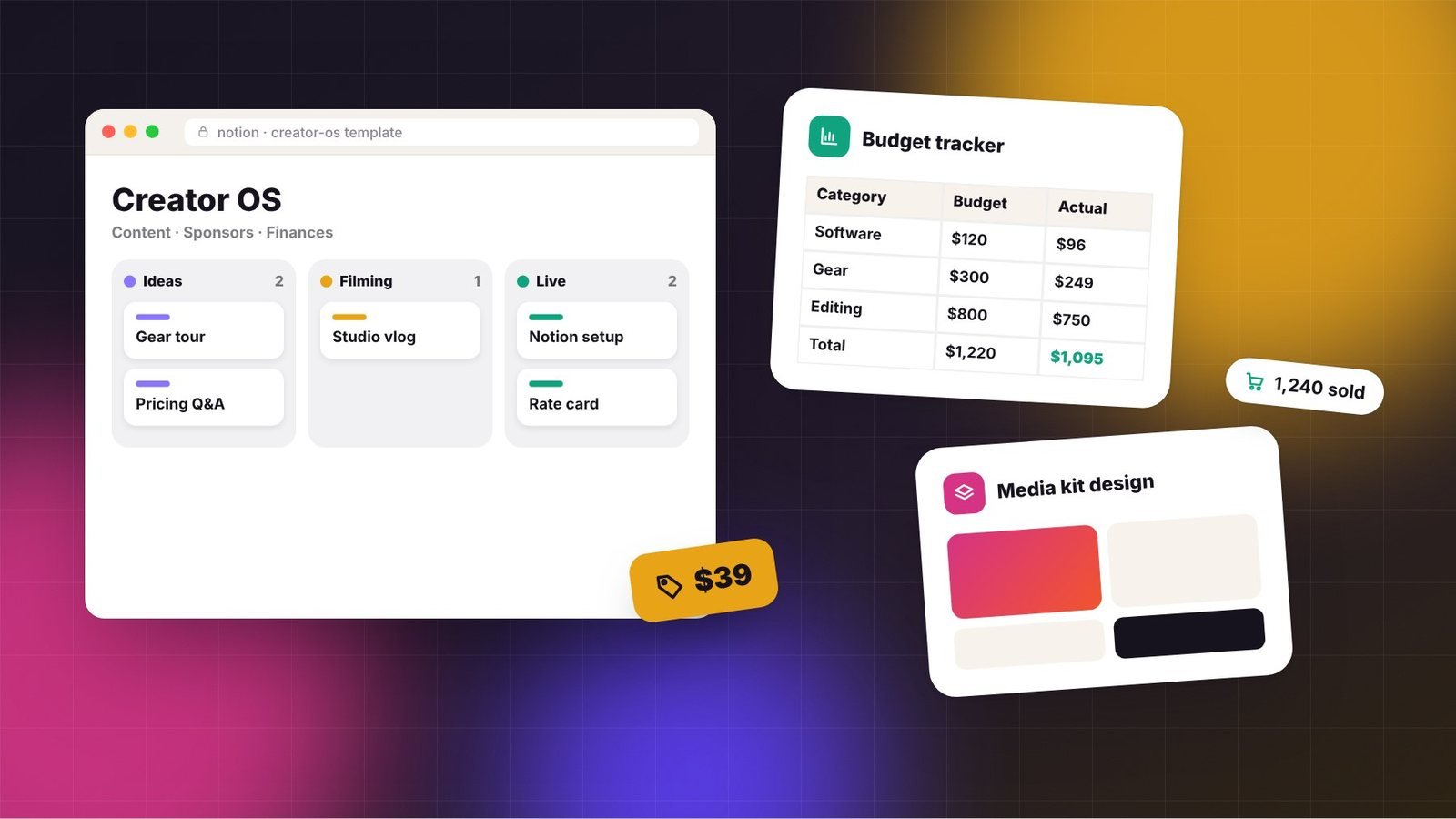
- For templates, build them in tools your audience already uses, such as Notion, Google Sheets, Canva, or Excel, and include a short “how to use this” guide.
- For guides, aim for clarity over length. Use headings, examples, and checklists.
- For mini-courses, record short lessons of five to 15 minutes. Good audio matters more than fancy visuals.
Ask two or three people from your audience to test it and give feedback. Fix anything confusing.
Week 3: Set up sales and delivery
Pick a platform
Platforms such as Gumroad, Lemon Squeezy, Stan, Payhip, Podia, Kajabi, and Kit Commerce handle checkout, delivery, and in many cases sales tax collection. Compare fees, features, and whether they handle sales tax and VAT for you. Simplicity wins for a first product.
Price it
Price based on the value of the outcome, not your hours. Many first digital products land between $15 and $99. Our course pricing framework applies to most digital products.
Write the sales page
- Headline: the outcome, stated clearly.
- The problem: describe the pain in your audience’s words.
- The solution: what’s inside and how it works.
- Proof: testimonials from testers, your results, or credentials.
- Price and guarantee: a clear refund policy reduces hesitation.
- FAQ: answer common objections such as format, access, and who it’s not for.
Week 4: Launch
A simple launch plan for a small product:
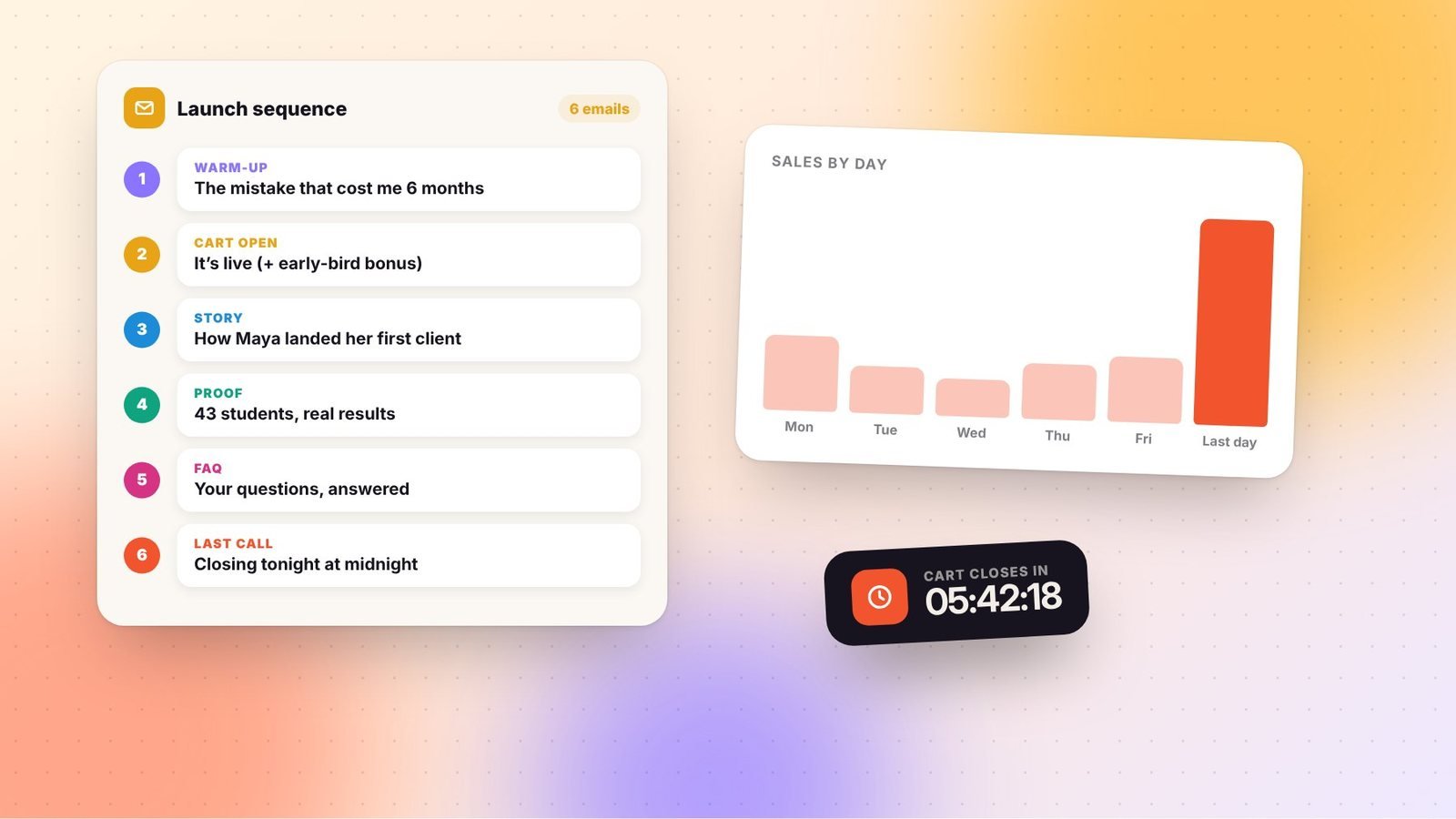
- Day 1: announce to your email list and waitlist, with an early-bird bonus or discount.
- Days 2–5: share content related to the problem the product solves, with a link at the end.
- Days 6–7: send a reminder that the launch price ends, and answer FAQs.
For a more detailed plan, see our guide to product launch email sequences.
After the launch
- Collect feedback and testimonials from buyers.
- Add an evergreen path: link the product in your bio, newsletter footer, and relevant content.
- Improve and relaunch: many creators update and relaunch their products periodically.
Don’t forget the business basics
Product income is taxable, and depending on the states and countries your customers live in, you may need to collect sales tax. Many sales platforms act as a merchant of record and handle this for you; check before choosing. Keep simple records of every sale. Our guide to bookkeeping for creators explains a lightweight system.
Your first product is as much a learning experience as an income source. Launch something small, learn what your audience values, and use that knowledge to build your next, bigger offer.
Frequently asked questions
What is the best first digital product?
A small product that solves one specific problem, such as a template, checklist, or mini-course, is usually best. It’s faster to build, easier to sell, and teaches you what your audience will pay for.
Do I need a big email list to launch a product?
No. Even a few hundred engaged subscribers can support a small product launch. Pre-orders or a waitlist help confirm demand before you invest significant time.
Do I need to collect sales tax on digital products?
It depends on where your customers are located and what you sell. Many platforms act as a merchant of record and handle sales tax and VAT for you. Check your platform’s policy and consult a tax professional if you sell directly.