How to Monetize a Small Audience: Earning With Under 10,000 Followers
You don't need a huge following to earn money as a creator. Here's how to monetize a small, engaged audience with services, products, affiliates, and niche sponsors.
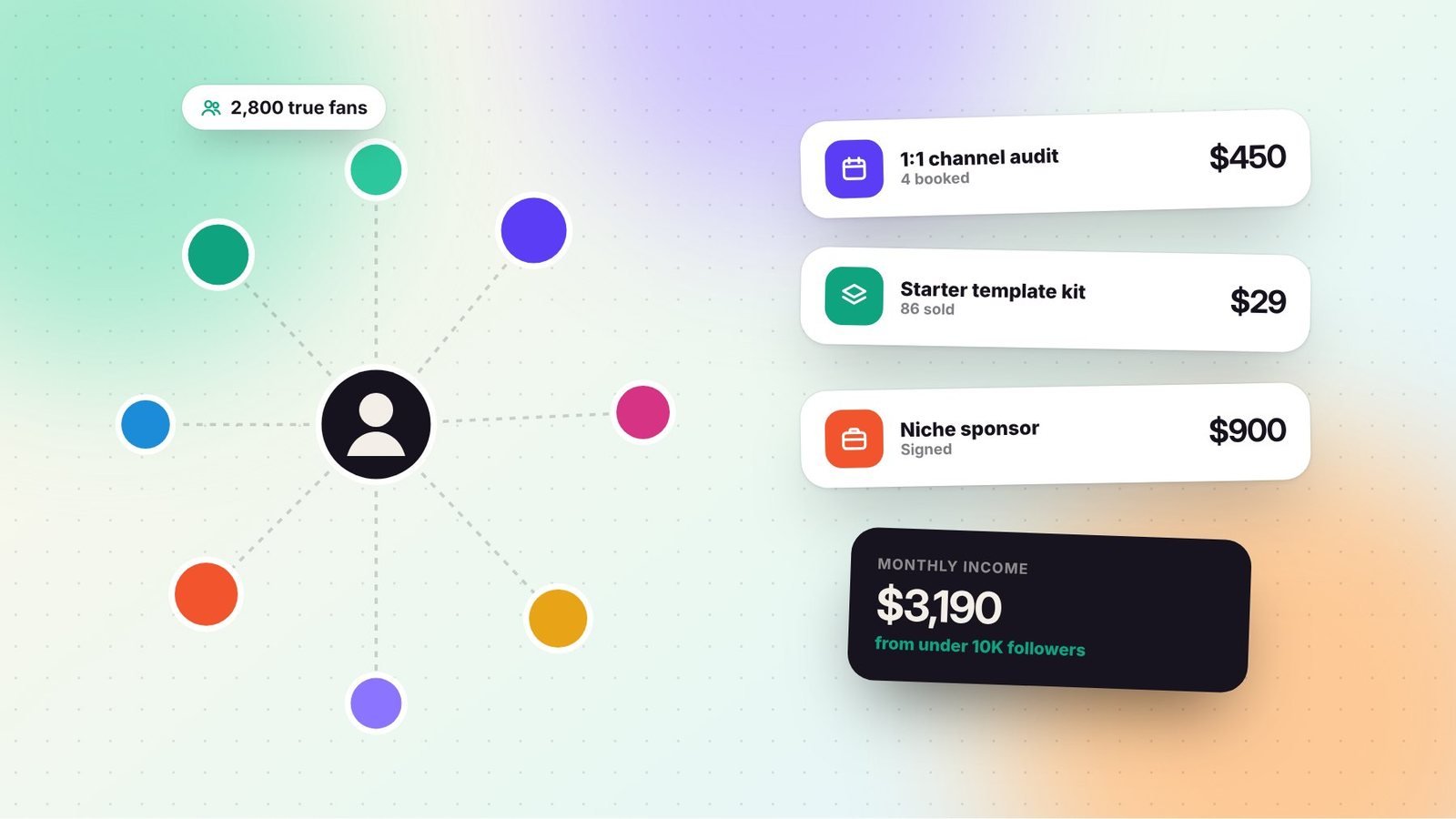
There’s a persistent myth that you need hundreds of thousands of followers before you can make money as a creator. In reality, many creators earn meaningful income with audiences in the hundreds or low thousands. The key isn’t reach; it’s relevance and trust.
A small audience that knows you, trusts your judgment, and shares a specific problem is often more valuable than a large, casual following. Here’s how to monetize at that stage.
Key takeaways
- With a small audience, sell higher-value offers to fewer people.
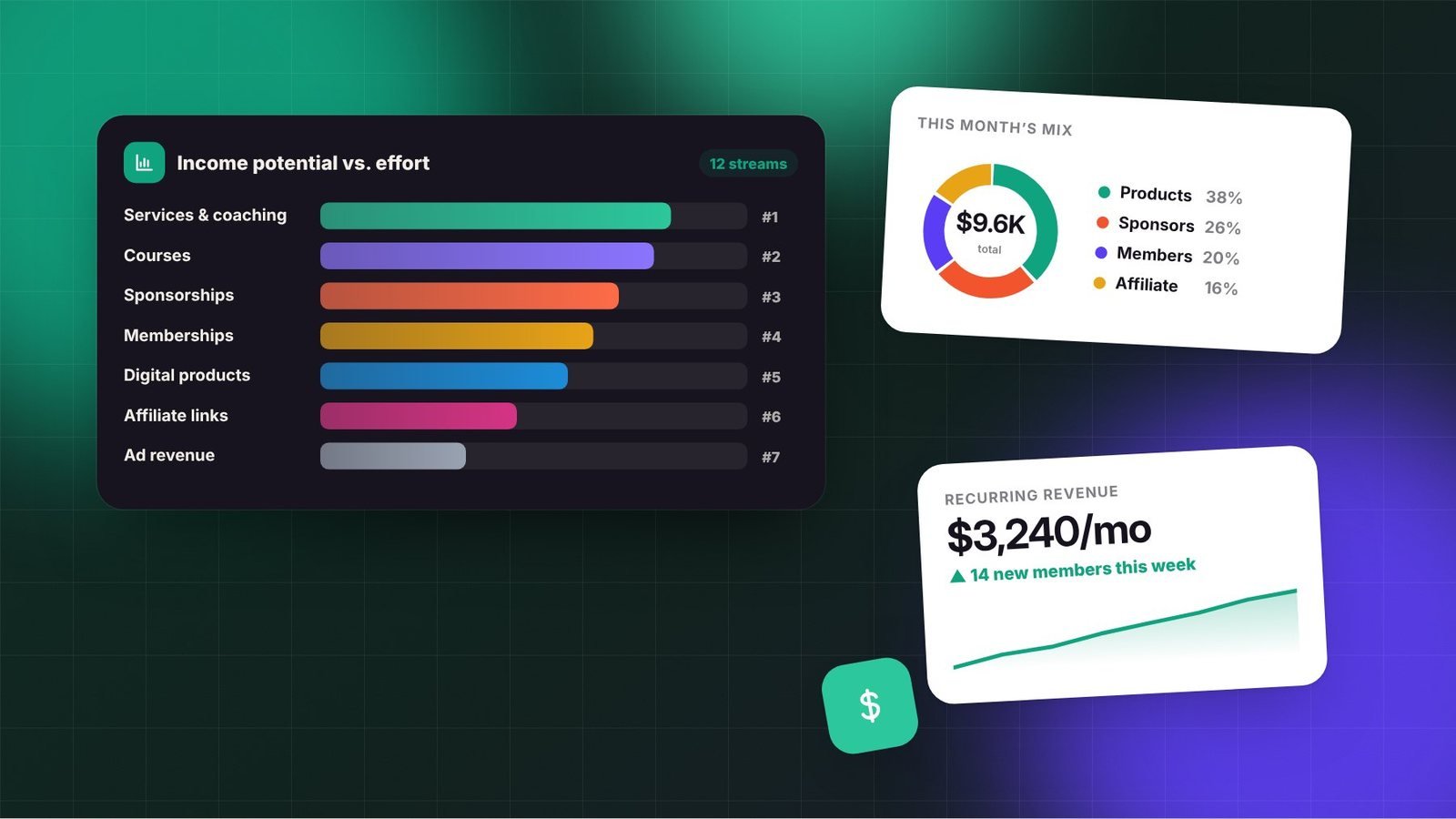
- Services and coaching usually produce income fastest.
- Build an email list from day one; it multiplies the value of every follower.
The math of small audiences
Consider two creators. One has 200,000 followers and earns from ad revenue and occasional sponsorships. Another has 3,000 followers in a focused professional niche and offers a $500 service. If the second creator lands four clients a month, that’s $2,000, potentially more than the larger creator earns from ads. These numbers are illustrative, but the principle holds: fewer, more valuable transactions can beat massive reach.
1. Offer a service built on your expertise
Your content proves you know something. A service lets people pay for you to apply it directly to their situation. Examples:
- A fitness creator offers personalized monthly programs.
- A video editor who posts editing tips offers editing packages.
- A personal finance creator offers one-on-one budgeting sessions (staying within what they’re qualified to advise on).
- A LinkedIn creator offers profile and content audits for job seekers.
Start with one clearly defined package with a fixed price and scope. “60-minute strategy call plus written action plan” is easier to sell than “consulting.”
2. Create a focused digital product
Look at the questions you answer repeatedly. Package the answer as a template, checklist, mini-course, or guide. Small, specific products priced roughly between $9 and $49 are easy decisions for a warm audience. See our step-by-step guide to creating your first digital product in 30 days.
3. Use affiliate links for things you already recommend
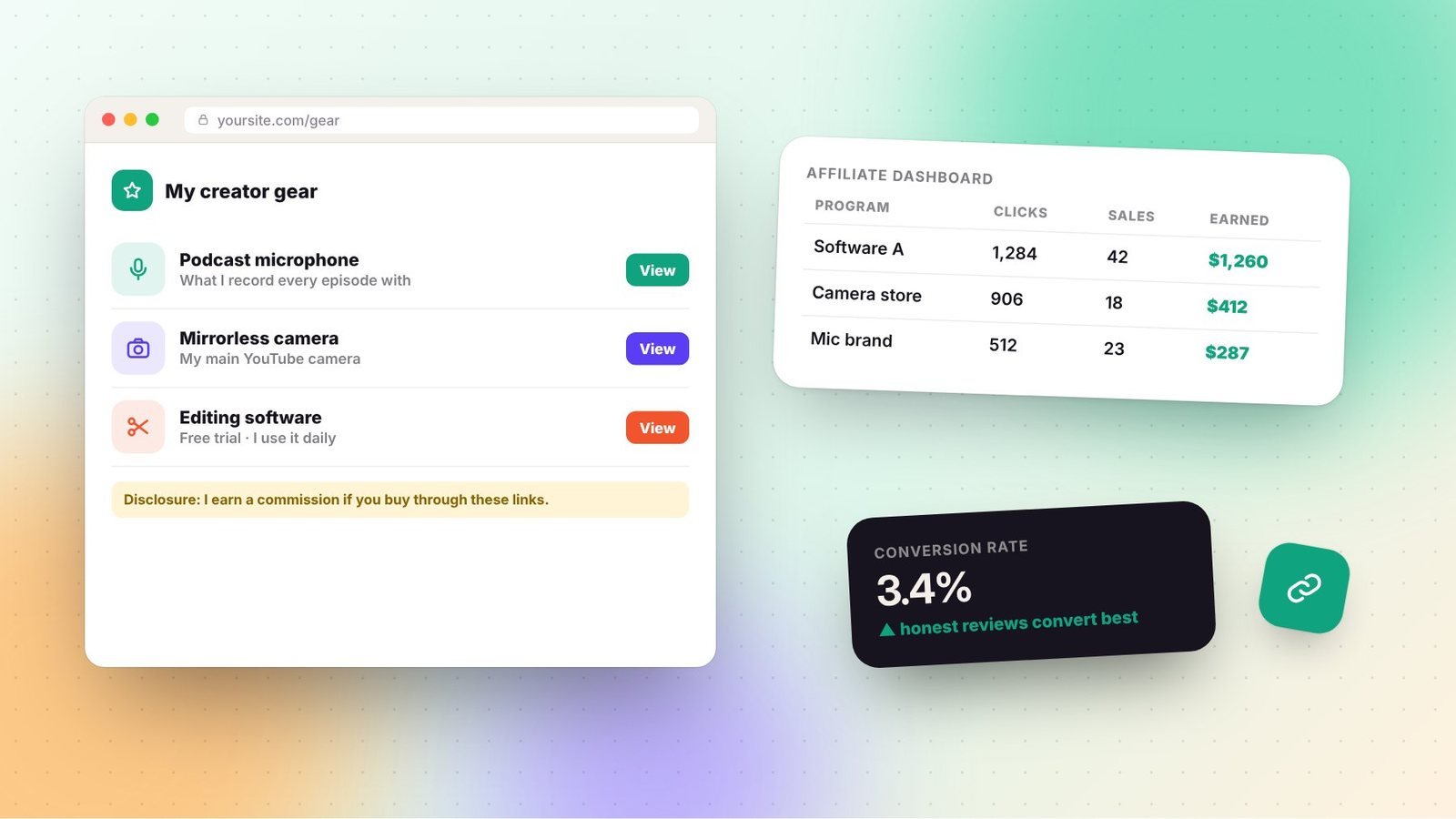
If your audience asks about your tools, link them. In professional niches, software affiliate programs can pay substantial or recurring commissions, which makes even small audiences meaningful. Always disclose affiliate relationships clearly; our affiliate marketing guide explains how.
4. Pitch niche sponsors
Brands increasingly value small creators with tightly focused audiences. A company selling accounting software for photographers may get more value from a 4,000-person photography business newsletter than from a broad lifestyle creator with ten times the reach. Build a simple media kit and pitch brands whose customers match your audience. Our guides to media kits and pitching brands walk through it.
5. Start a small paid community or cohort
A group program where 10 to 20 people work through a challenge together over several weeks can work at small scale because the value comes from structure, accountability, and your attention. It also gives you deep insight into your audience’s problems, which improves everything else you create.
Build the foundation: an email list
Social platforms show your posts to a fraction of your followers. Email reaches people directly. Even 500 email subscribers can support a product launch or service waitlist. Offer a useful free resource in exchange for an email address and mention it regularly. Start with these lead magnet ideas.
How to price when your audience is small
- Price on value, not follower count. What is the outcome worth to the customer?
- Start slightly lower, then raise prices as you collect testimonials and demand grows.
- Offer a premium option. Some customers will always want more personal help and will pay for it.
Mistakes that hold small creators back
- Waiting until you feel “big enough.” Selling early teaches you what your audience values.
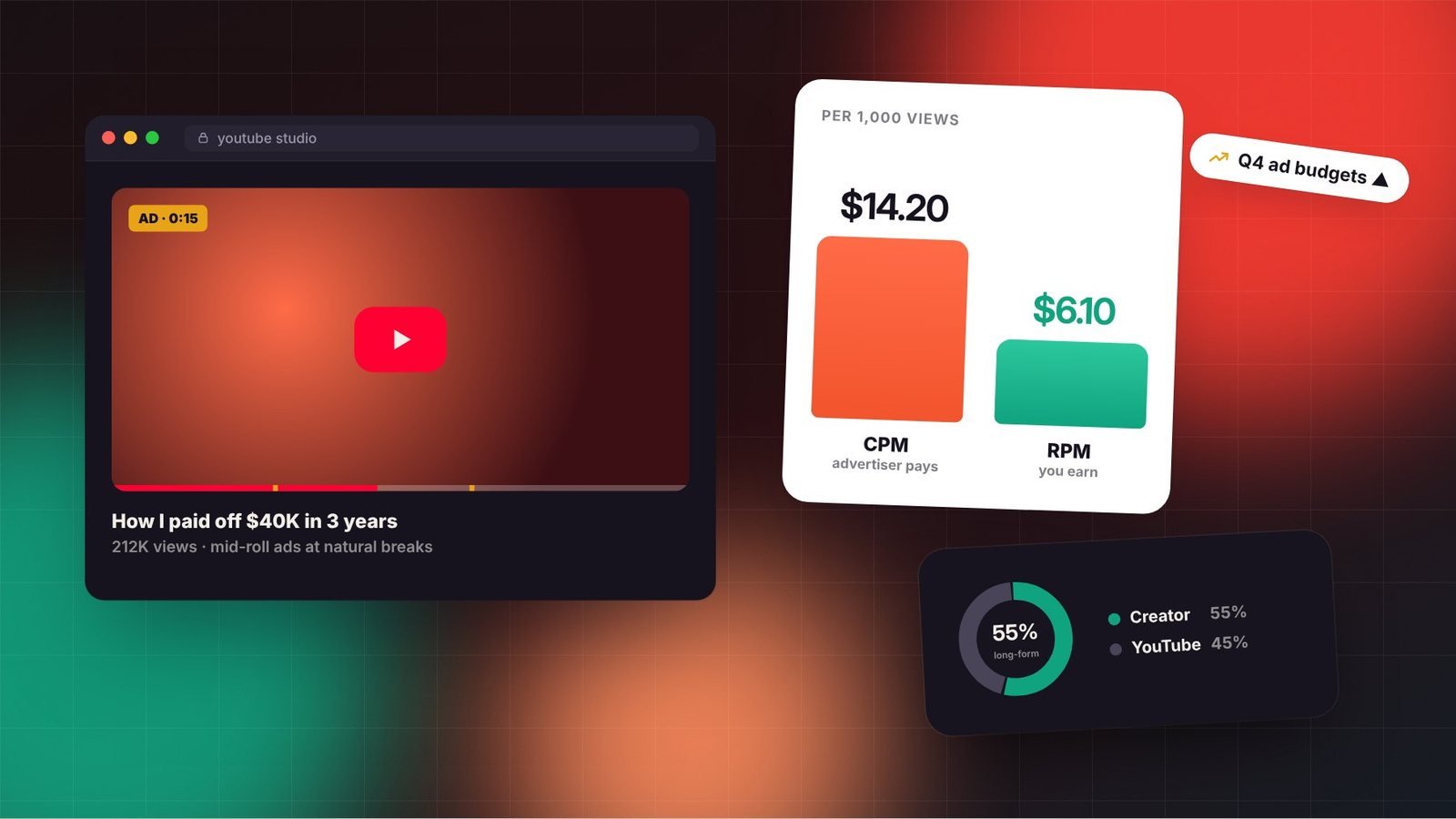
- Only relying on platform payouts. At small scale, ad revenue and creator funds are usually minimal.
- Being vague. Clear offers with clear outcomes convert better.
- Selling without serving. Keep creating genuinely useful free content; it’s what earns you the right to sell.
Your next step
This week, write down the three questions your audience asks you most. Pick one and decide whether it’s best answered by a service, a product, or a recommendation. Then make a simple offer and share it with your audience. Small audiences grow, but you don’t have to wait for growth to start earning.
Frequently asked questions
What is the fastest way to earn with a small audience?
Offering a clearly defined service, such as coaching, consulting, or done-for-you work, is usually the fastest path because you only need a few customers. A small digital product is a good next step once you know your audience’s most common problems.
How do I find my first paying customers?
Start with people who already engage with you: commenters, email subscribers, and people who DM questions. Make a simple, specific offer, share it directly, and ask early customers for feedback and testimonials.
Should I wait until I reach 10,000 followers to sell?
No. Selling early teaches you what your audience values and helps you build income and testimonials while you grow. Follower count matters less than trust and relevance.